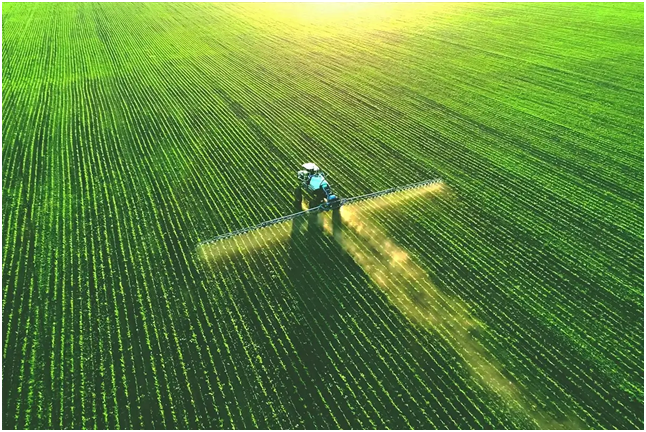
Tractors are the backbone of global agriculture. From the sugarcane farm to avocado farms in Kenya – tractors enable us to feed almost 60 million people living in Kenya. But, what ensures a long and reliable life from your tractor? Tractors are a major cost and investment for any farmer, particularly small holdings and farming collectives. Proper maintenance and care are essential for longevity. As a machine with many moving parts, lubrication is perhaps the single most important factor to maintaining reliability from a tractor.
Which parts of a tractor need lubricating?
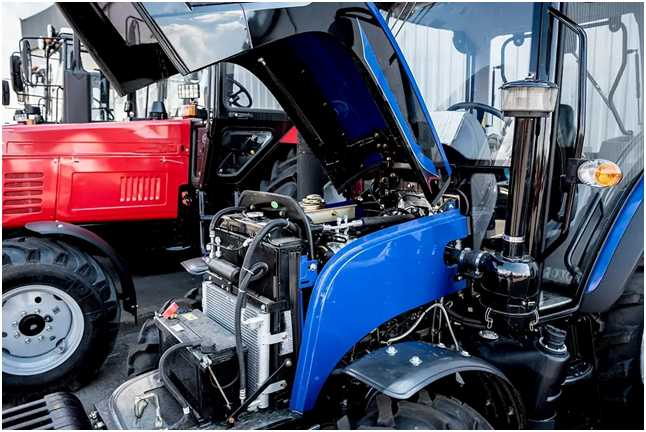
Powered by a diesel or petrol (gasoline) motor, the highest number of vulnerable moving parts on a tractor are within the engine and transmission (gearbox). These are predominantly lubricated and protected by the engine oil. However, there are also many other areas of a tractor’s chassis – including the wheels, axles, steering, hydraulics and power take-off (PTO) which require lubrication too. So, let’s take a look at each area and how you can use lubrication to ensure a longer life from your tractor or agricultural vehicle:
How often should you lubricate your agricultural machinery?
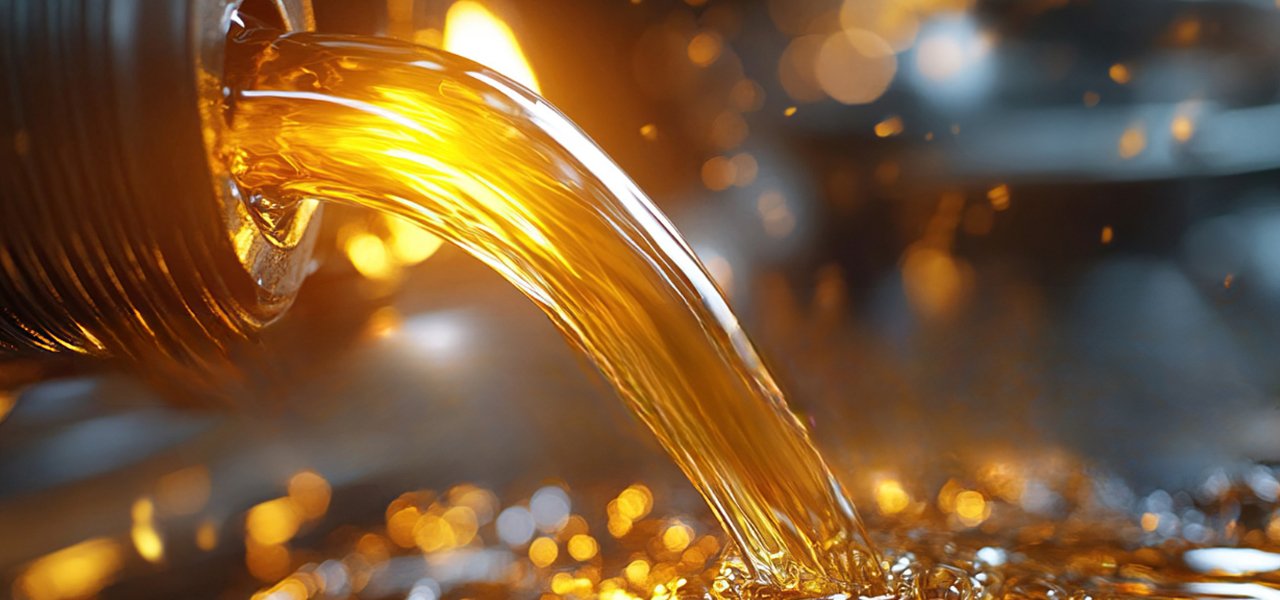
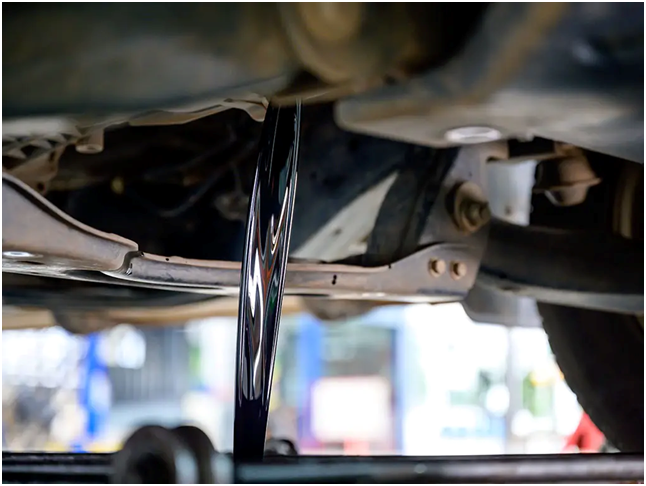
The frequency with which you change the motor oil in your particular tractor is typically defined by the manufacturer in working hours. You can choose to change your engine lubrication more frequently – but you should never leave it longer than the manufacturer recommends.
For a modern medium-duty tractor, many manufacturers recommend engine oil changes every 100 or 200 hours of use. The manufacturer will also specify the grade (viscosity or thickness) of the motor oil which should be used. A tractors transmission or gearbox typically has its own lubrication or fluid which should be changed at similar intervals.
Each tractor manufacturer will recommend the grade and brand of fluids to be used in their vehicles. This can typically be found in the user manual, service manual or by contacting a main dealer. For example, mastermax 15W40 API CI4 is a heavy-duty engine oil which provides excellent protection to keep diesel tractor and agricultural vehicle engines running smoothly. It helps minimise soot build-up to ensure the engine runs cleaner for longer to minimise downtime.
There are also many components of a tractor which require regular greasing, including:
• Ball joints
• Bearings
• Steering cylinder ball joints
• Steering components
• Hitch pivot points
Grease is a heavy form of lubricant which is manufactured from oil, with additives to make it thick and clingy. A range of greases are available. It is important to consider what you need it to lubricate and the conditions it will encounter, including temperature and moisture levels. Most manufacturers recommend a high-quality lithium grease as it reacts less with air and contains detergents which prevent contaminates from slowing performance. For example, Gulf Crown MP a multi-purpose lithium grease manufactured from highly refined mineral oil and formulated with performance enhancing additives for excellent protection against wear and corrosion.